
The Clinical Framework
Our Mission
Bridging evidence-based psychological treatment with a deep understanding of the unique cultural and systemic traumas endured by gurukuli survivors — so that every person can access the dignified, specialised care they deserve.
Why We Exist
To Serve Gurukulis
For decades, adult survivors of gurukuli institutions have lived with the compounding weight of complex trauma — trauma that is rarely addressed by mainstream mental health services, which lack the cultural fluency and specialist training necessary to hold this work with integrity.
Heal Gurukuli was founded in direct response to this gap. Our mandate is unambiguous: to provide specialised, trauma-informed psychotherapy that is rooted in established clinical evidence, culturally attuned, and delivered within a framework of unwavering ethical accountability.
Gurukuli survivors carry a layered burden that is distinct from general childhood trauma. The intersection of spiritual betrayal, cultural isolation, institutional silencing, and complex family enmeshment creates a particular clinical profile that demands specialist understanding — not a generic therapeutic approach adapted on the fly.
We operate from a position that survivors are not defined by their trauma. Our work is oriented toward agency, integration, and the recovery of each individual’s innate capacity for wellbeing. The therapeutic relationship is not a transaction — it is a secure container built on trust, consistency, and clinical rigour.
Clinical Approach
The Therapeutic Framework
Our work draws from a pluralistic, integrative model applying Trauma-Focused CBT, EMDR, and somatic-aware relational approaches through the specific lens of the gurukuli experience — recognising the systemic, institutional nature of the harm and working with complex PTSD, betrayal trauma, and spiritual injury accordingly.
Core Areas of Support
Three Pillars of Care
Professional Psychotherapy
We provide secure, confidential one-on-one psychotherapy tailored to the complex needs of survivors. Utilising evidence-based, trauma-focused modalities, our BACP or UKCP-registered clinicians offer a structured and compassionate environment to process deeply rooted pain and rebuild emotional sovereignty.
Therapeutic Resources
Healing is not confined to scheduled sessions. We offer a curated selection of self-guided tools, grounding exercises, and educational materials designed to support your nervous system and promote recovery outside of clinical hours.
Community Groups
Isolation is one of the deepest wounds of institutional trauma. Our facilitated community groups offer a secure, professionally guided container for survivors to connect, share experiences, and break the silence together. These forums are available to foster mutual support, resource sharing and ultimately collective resilience.
The Clinicians
Meet Our Team
Our clinical team is composed of UKCP and BACP-registered psychotherapists and clinical psychologists, each bringing deep specialist expertise in complex trauma, EMDR, somatic therapy, and the particular institutional dynamics of the gurukuli experience.
Browse brief profiles below, then open a full profile for credentials and specialties.
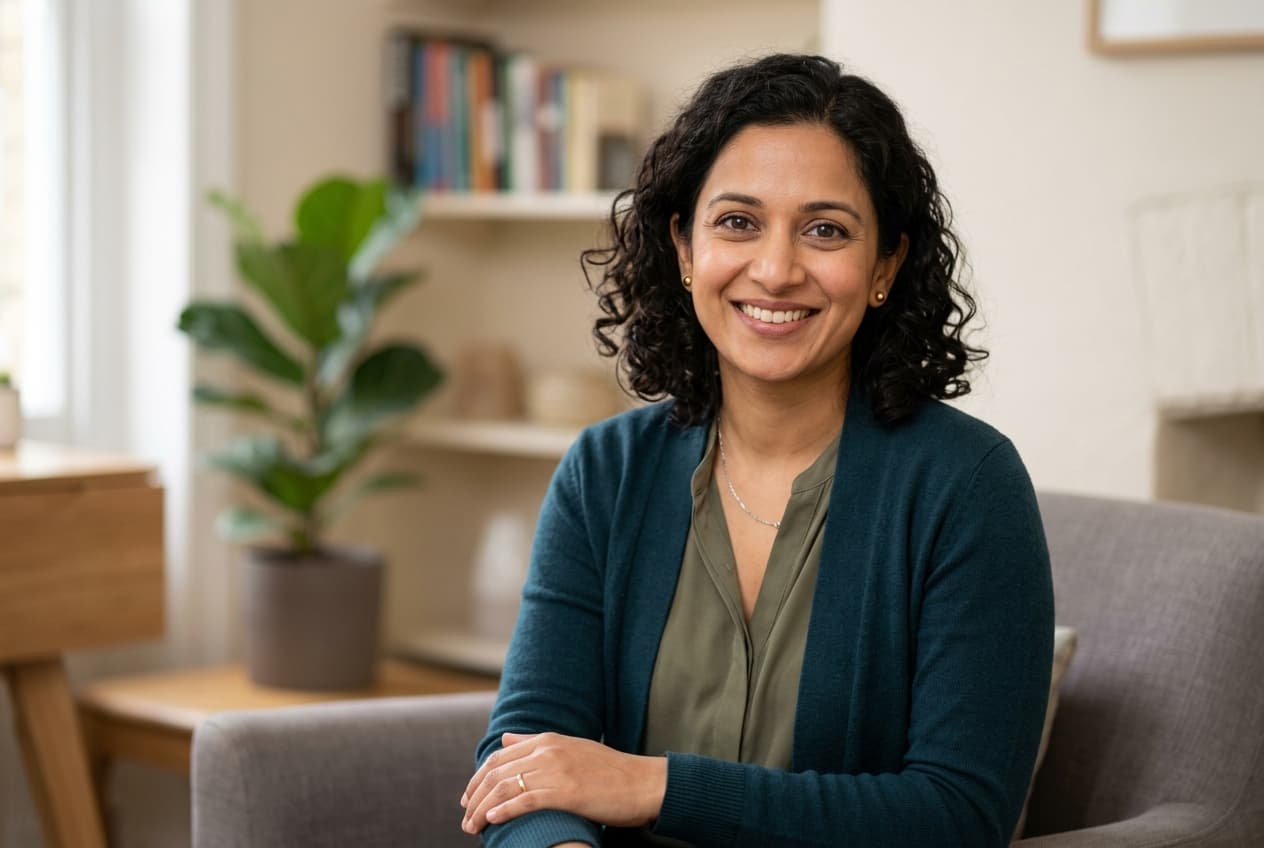
Caitanya Lila
UKCP-Registered Psychotherapist · Founder
Born within the gurukuli system, Caitanya combines lived understanding with rigorous clinical training in complex PTSD and trauma-focused modalities.
View Full ProfileThe Founder
Caitanya Lila
UKCP-Registered Psychotherapist · Founder
Caitanya Lila is a UKCP-registered psychotherapist and the founder of the Heal Gurukuli Initiative. Born into the gurukuli system, she brings both lived experience and rigorous clinical training to this work — a combination that enables a rare quality of attunement with survivors who have often felt unseen and misunderstood by conventional therapeutic settings.
Her clinical background spans more than a decade of practice in trauma, complex PTSD, and relational therapy. She trained in integrative psychotherapy and has pursued advanced specialist study in trauma-focused modalities, group facilitation, and the psychosocial dimensions of institutional abuse.
Caitanya founded the Heal Gurukuli Initiative from a conviction that the gurukuli community deserves a clinical sanctuary built specifically for them — one that does not require survivors to translate their experience or educate their therapist. She brings to every aspect of this work an equal measure of professional discipline and personal dedication.
Governance
Board of Trustees
Our Board of Trustees provides independent oversight of the Initiative’s mission, finances, and ethical standards — ensuring Heal Gurukuli remains accountable, transparent, and steadfastly oriented toward the survivors it serves.
Governance
Clinical Ethics & Confidentiality
All clinical work undertaken by the Heal Gurukuli Initiative is conducted in strict accordance with the ethical framework and professional conduct standards set by the United Kingdom Council for Psychotherapy (UKCP) and the British Association for Counselling and Psychotherapy (BACP). Every practitioner operating within the Initiative is a registered member of the UKCP or BACP and is bound by their Codes of Ethics and Professional Practice.
Confidentiality is not a procedural formality here — it is a clinical and ethical cornerstone. Survivors are entitled to know that what they share within a therapeutic relationship is held with absolute discretion. The only exceptions are the mandated safeguarding disclosures required by law, each of which would be discussed transparently with the client wherever safe to do so.
All clinical records are securely maintained, encrypted, and accessible only to the treating clinician. No data is shared with third parties, funders, or community organisations without explicit, informed written consent.
Ethical Standard
UKCP Code of Ethics
Full professional conduct compliance
If you are a survivor seeking support, or wish to fund this work, we welcome you.